
Core Puzzle Mechanics
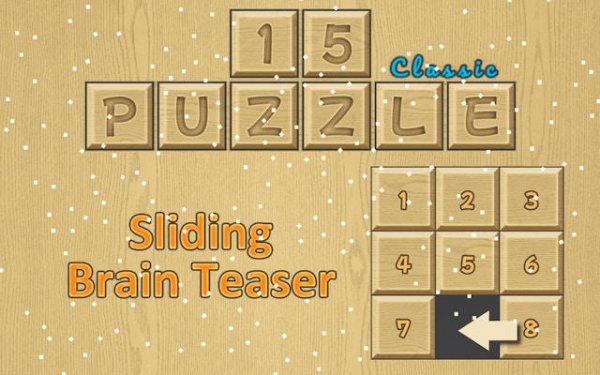
Players interact with a set of numbered squares arranged in a sixteen-cell grid. One cell remains empty, allowing adjacent tiles to shift into that space. The primary objective involves arranging these numbers sequentially from one to fifteen. This straightforward rule set creates a deceptively deep challenge, as each repositioning affects the entire layout. Success depends on visualizing multiple moves ahead and understanding how individual tile placements influence overall progress.
Strategic Approaches
Effective solvers often break the grid into smaller sections, such as completing the top row before addressing lower rows. Another common method involves focusing on the leftmost column first. These strategies reduce complexity and make the task feel more manageable. Players gradually develop an intuitive sense of tile movement patterns, which speeds up solution times without requiring fast reactions. The game rewards patience and methodical thinking over quick decisions.
Visual Design Philosophy
The interface uses a simple, uncluttered layout that mimics the appearance of physical wooden blocks. This design choice provides a familiar, tactile feel that many find appealing. The clean background and clear numbering ensure that players can focus entirely on the puzzle without visual distractions. The overall aesthetic remains consistent with traditional board games, offering a sense of nostalgia for those who have played similar puzzles offline.
Accessibility and Pace
There are no timers, score multipliers, or external pressures. Each session proceeds at the player's chosen speed, making it suitable for short breaks or extended periods of concentration. The controls are limited to tapping or clicking tiles adjacent to the empty space, which works well on touchscreens and desktop computers alike. This simplicity ensures that individuals of various ages and experience levels can start playing immediately without reading lengthy instructions.
Mental Benefits
Regular engagement with this type of puzzle supports cognitive functions such as short-term memory, spatial reasoning, and logical planning. The process of evaluating tile positions and predicting outcomes exercises the brain in a low-stress environment. Many players find that consistent practice improves their ability to concentrate on complex tasks outside the game. The absence of competitive elements allows for a purely personal sense of accomplishment with each completed grid.
Comments
0 comments