
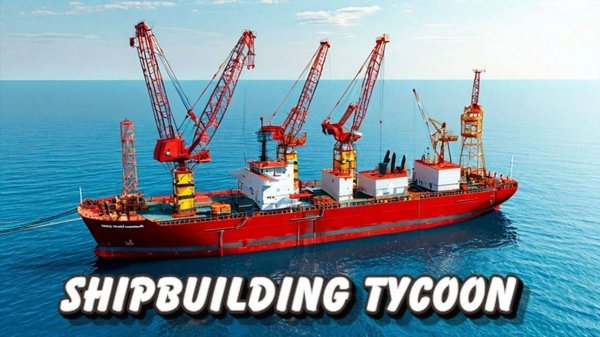
Game Introduction
Shipyard Manager: Idle Builder is a calm simulation game where players take charge of a shipyard. Starting with a small dock and basic blueprints, the goal is to construct various vessels, from simple tugboats to large cargo ships and passenger liners. Each completed ship earns coins and experience, which players reinvest to upgrade facilities. The game emphasizes steady growth and strategic resource management, with idle mechanics that keep the shipyard working even when players are away. It offers a family-friendly experience suitable for both short sessions and longer planning periods.
How to Play
Players select a ship blueprint from available options and assign workers to begin construction. The building process happens automatically, and coins are earned as it progresses. Players use earnings to hire more managers, upgrade docks, and unlock new ship designs. Investing in research can make operations more efficient. The key is to balance expansion with production. When players log off, the idle system continues to generate income, so resources are always available upon return. Strategic decisions about when to expand or upgrade keep the gameplay engaging.
Game Features
Features include incremental idle progression that rewards regular check-ins, a wide range of unlockable ships from small tugs to massive ocean liners, factory expansion and upgrade options for tools, docks, and managers, and strategic resource management to optimize production lines. The game also includes clean, family-friendly visuals and sound design. The idle mechanics mean the shipyard continues to generate income even when players are away, making every session rewarding.
Tips for Success
Focus on balancing expansion with production to maintain steady income. Prioritize upgrading docks and hiring managers early, as they speed up construction and increase earnings. Invest in research to unlock efficiency improvements that save time and resources. Regularly check in to collect idle earnings and reinvest them wisely. Avoid overextending resources by upgrading too quickly; instead, plan upgrades to match current production capacity.
Comments
0 comments