
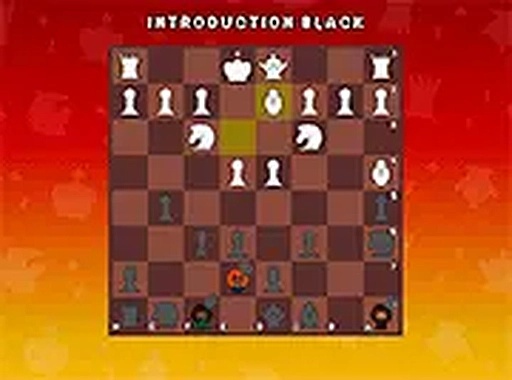
Opening Theory in Action
This game transforms standard chess openings into interactive puzzles. Each level begins with a specific opening sequence drawn from established chess theory. Your task is to continue from that point, making moves that keep your characters safe from opponent captures. Rather than memorizing lines, you learn by doing, seeing how each opening creates opportunities and threats on the board.
Character Protection Mechanics
The core objective revolves around protecting a group of young characters from being captured. Opponents will trade pieces aggressively to reach them, so you must anticipate attacks and create safe corridors. This setup teaches defensive thinking and piece coordination in a way that feels natural, not like a dry lesson. Each successful defense reinforces key concepts like pawn structure and piece activity.
Progressive Puzzle Design
Levels are arranged to gradually increase in complexity. Early puzzles focus on simple defensive maneuvers with few pieces, while later stages introduce multiple threats and longer sequences. The variety of openings ensures you encounter different tactical motifs, from forks to discovered attacks. This structure suits both beginners learning the basics and experienced players refining their opening repertoire.
Accessible Learning Environment
The game runs directly in a browser with no installation required, making it easy to fit into short breaks or longer study sessions. A full-screen option improves visibility on smaller screens, and touch controls work well on mobile devices. The relaxed pace lets you think through each move without time pressure, encouraging thoughtful play over quick reactions.
Visual Clarity and Feedback
The board uses clean, high-contrast graphics that clearly distinguish pieces and highlighted squares. After each puzzle, you receive feedback on your choices, showing alternative moves and explaining why certain defenses succeed or fail. This immediate reinforcement helps solidify understanding of opening principles and tactical patterns.
Comments
0 comments