
Core Gameplay Loop
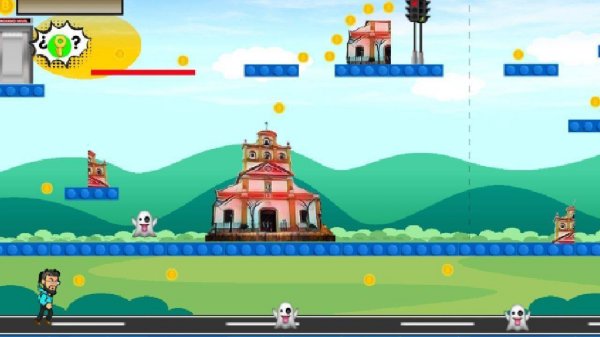
At its heart, Stepping Stones: A Casual Leap is about precise timing and gentle navigation. Players control a character who must hop between platforms that vary in size, shape, and stability. The controls are intentionally simple, often requiring just a single tap or key press to initiate a jump. This straightforward mechanic allows anyone to pick up the game and start playing immediately. The challenge comes not from complex inputs, but from judging distances and waiting for the right moment to leap. As you progress, you will encounter platforms that move, tilt, or disappear after a short time, requiring careful observation and quick reactions.
Visual Themes and World Design
The game presents a series of visually distinct worlds, each with its own color palette and architectural style. Early stages might feature warm, earthy tones reminiscent of ancient ruins, with stone pillars and moss-covered blocks. Later stages shift to cooler, metallic environments that suggest a futuristic city, with neon accents and glass-like surfaces. This variety keeps the visual experience fresh, even as the core jumping mechanic remains consistent. The backgrounds are designed to be pleasant and non-distracting, allowing players to focus on the platforms ahead. The overall art style is clean and colorful, appealing to a broad audience without being overly complex.
Collectible Items and Scoring
Scattered across the platforms are small collectible items, such as glowing stars or shiny coins. These are not required to complete a level, but they add a layer of optional challenge and reward. Gathering all available collectibles in a stage can lead to a higher score, encouraging players to take slightly riskier paths or wait for better positioning. The scoring system is straightforward, with points awarded for each successful landing and bonus points for collectibles. This system gives players a reason to replay levels, aiming to improve their total score or find a more efficient route through the platforms.
Progression and Difficulty Curve
The game introduces new platform types gradually, ensuring that players have time to adapt. Early levels serve as a tutorial, with large, stationary platforms that are easy to land on. As players demonstrate competence, the game begins to introduce moving platforms, narrow ledges, and blocks that crumble after being touched. This slow increase in difficulty helps maintain a sense of accomplishment without causing frustration. The game is designed to be completable by players of various skill levels, though achieving a perfect score on every stage requires practice and patience. The progression feels natural, with each new challenge building on skills learned in previous levels.
Comments
0 comments